Fort Arbeia and the Roman… (trip)


Fort Arbeia and the Roman Empire in Britain
- South Shields Roman Fort, England
- Volunteer Vacations
| from $1,495* per person | 7 Days | June-August |
| Comfort accommodations | Exertion level: 3 | |
| Operator: Earthwatch Institute | 20 people max | |
Loading map, please wait...
Locations visited/nearby
England
0 testimonials about this trip.
1 testimonial about the provider, Earthwatch Institute:
-
Reviewer: L. Reifschneider
located in
St. Louis,
MO
USA
Elephant conservation is what drives my travel destinations. However, I always come home counting the blessings of new friends and an understanding of a culture and way of life I possibly would otherwise have never been introduced to. Through the Earthwatch projects I participate in, I am learning just how big and wonderful this world is.
Itinerary
On the ExpeditionWhen in Rome, they say, do as the Romans do. But what did the Romans do in England?
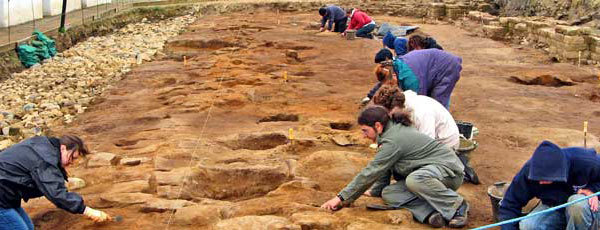
This extraordinary permanent large-scale excavation site is in a quiet residential area close to the River Tyne and the North Sea. South Shields Roman Fort is the site of a roman military and civilian settlement and lies within the UNESCO Hadrian’s Wall World Heritage Site. For more than a decade, Earthwatch teams have helped map more than 1,000 square meters of pre-Roman and Roman settlement here, excavating jewellery, armour, game pieces, and ceramics.
You’ll work in small groups, rotating among many tasks, including stratigraphic excavation using a trowel or possibly more robust digging equipment, recording site data, site surveying, and sampling, cleaning, and processing finds. When you're not digging into the social changes of the Roman era and other historical ages, your recreational time can be spent along the most impressive stretches of Hadrian's Wall, enjoying local Geordie culture in South Shields, or in the historic cities of Newcastle, York, Durham, and Edinburgh—all just a few hours travel from the field site.
Meals and Accommodations
Your team will enjoy local guest houses a close to your work site in this pleasant, coastal resort town. The guest houses provide shared bedrooms, hot showers and bathrooms, and easy access to parks, beaches, pubs, and restaurants. At the excavation site, you'll be fortified by your choice of picnic lunches. You’ll also enjoy full English or continental breakfasts and hearty dinners at the guesthouse. You may even experience the treat of traditional English fish and chips.
About the Research Area
The region of Tyne and Wear is well known for its award winning beaches, amazing coastline, its wildlife, and its tranquil beauty. South Shields is located south east of the city of Newcastle upon Tyne and is situated within the Tyneside conurbation, a famous former industrial area. The residential area where you’ll work is in a coastal holiday resort, with many parks and good beaches nearby. Much of the coastal area remains open and unspoiled, and the research site and accommodations lie in a quiet, residential area close to the North Sea and the mouth of the River Tyne.
More information from Earthwatch Institute:
- View trip on provider's website
earthwatch.org/expeditions/bidwell.html… - Company profile, experience, and history
- View all of their trips
- Email this trip page to a friend
-


Comments from Facebook