Cheetah Conservation in Namibia (trip)


Cheetah Conservation in Namibia
- Otjiwarongo, Namibia
- Volunteer Vacations
| from $4,595* per person | 15 Days | February, March, May-August, October-December |
| Simple accommodations | Exertion level: 3 | |
| Operator: Earthwatch Institute | 6 people max | |
Loading map, please wait...
Locations visited/nearby
Namibia , cheetah , earthwatch , Eland's Joy , wildlife surveys , Cheetah Conservation Fund , Etosha National Park , volunteer , ecotourism, Namibia
0 testimonials about this trip.
1 testimonial about the provider, Earthwatch Institute:
-
Reviewer: L. Reifschneider
located in
St. Louis,
MO
USA
Elephant conservation is what drives my travel destinations. However, I always come home counting the blessings of new friends and an understanding of a culture and way of life I possibly would otherwise have never been introduced to. Through the Earthwatch projects I participate in, I am learning just how big and wonderful this world is.
Itinerary
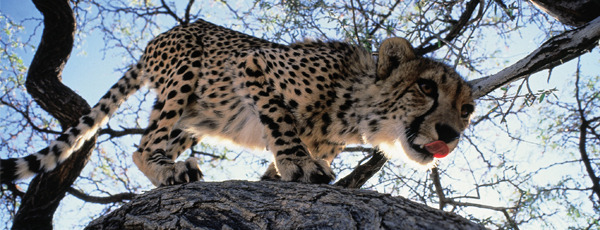
Your team will be based at Eland's Joy, a 15,000-hectare working farm and headquarters of the Cheetah Conservation Fund. You will assist the CCF staff with the day-to-day duties associated with active and ongoing research, conservation, and education programs both in the field and on the farm. Primary duties will include participating in wildlife surveys, assisting with the livestock guarding dog program and the management of their corresponding goat and sheep herds, helping with various aspects of cheetah husbandry, contributing to vital data collection and entry, on-going archiving of research documents, and conducting a 12-hour waterhole count. Earthwatch teams can also have the opportunity to aid CCF staff with radio tracking and monitoring of cheetahs. Should you choose to participate in a recreational trip to Etosha National Park, the largest National Park in Namibia, you’ll have a chance to view elephants, zebras, lions, rhinos, giraffes, many species of antelope, and perhaps even a cheetah in the wild. Please note, however, that the Etosha excursion is an additional expense and not a CCF activity.At Eland's Joy, you'll stay in two-person bungalows, or rondavels, with sinks and beds with mosquito nets. In a separate unisex bathhouse you'll find showers with limited hot water and flush toilets. Laundry is washed regularly by camp staff. The camp is solar-powered and has potable water. A staff cook will prepare most meals but volunteers may occasionally be asked to share in cooking duties. You’ll be able to enjoy your meals in a shady, thatched-roof pavilion with a view of the Namibian bush.
The Republic of Namibia is a large, sparsely populated country on Africa’s southwest coast. Since achieving independence in 1990 the country has enjoyed nearly two decades of stability. Namibia’s national language is English, though Afrikaans and German are widely spoken. The expedition is based out of the 14,000-acre farm Elandsvreugde (“Eland’s Joy”). Besides cheetahs, the farm is home to many species, including kudus, hartebeest, oryx, duiker, steenbok, warthogs, jackals, leopards, brown hyenas, and numerous bird species, as well as an array of smaller animals.
Eland’s Joy is situated in the north-central part of Namibia, approximately 45 kilometers east of the town of Otjiwarongo. Namibia’s capital city, Windhoek, is about three and a half hours’ drive south. This environment is the last stronghold of the wild cheetah.
More information from Earthwatch Institute:
- View trip on provider's website
earthwatch.org/expeditions/cheetah-conservation-in-namibia… - Company profile, experience, and history
- View all of their trips
- Email this trip page to a friend
-


Comments from Facebook