Meerkats of the South African… (trip)


Meerkats of the South African Kalahari
- Kuruman River Reserve, South Africa
- Volunteer Vacations
| from $3,895* per person | 14 Days | April-September |
| Simple accommodations | Exertion level: 3 | |
| Operator: Earthwatch Institute | 12 people max | |
Loading map, please wait...
Locations visited/nearby
Meerkats of the Kalahari , animal behavior , animal societies , earthwatch , scientific research , habitats , wildlife surveys , ecotourism , South Africa
0 testimonials about this trip.
1 testimonial about the provider, Earthwatch Institute:
-
Reviewer: L. Reifschneider
located in
St. Louis,
MO
USA
Elephant conservation is what drives my travel destinations. However, I always come home counting the blessings of new friends and an understanding of a culture and way of life I possibly would otherwise have never been introduced to. Through the Earthwatch projects I participate in, I am learning just how big and wonderful this world is.
Itinerary
On the ExpeditionVisit the real Meerkat Manor and get to know these highly cooperative and charming mammals.
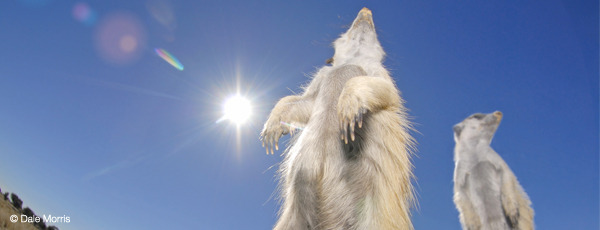
Under the direction of experienced field staff, you’ll help observe 15 habituated colonies of meerkats in South Africa’s Kuruman River Reserve and the surrounding farms. You'll learn how to conduct focal sampling and transect surveys, use a Global Positioning System, and weigh meerkats. The data you collect will help researchers evaluate how cooperative breeding affects the survival of both pups and helpers. You will also investigate interactions between the meerkats and a klepto-parasitic bird species, the fork-tailed drongo. Supplementing the meerkat studies, you'll help conduct biodiversity, invertebrate, and plant surveys, and spend some time recording the size and activity of social bird colonies like pied babblers and weavers, in response to rainfall levels. You may also help with outreach efforts to assist the local primary school. All of these adventures will be set against a backdrop of gemsbok, hartebeest, springbok, duiker, steenbok, bat-eared foxes, three kinds of mongooses, many birds, and the fantastic creatures of the Kalahari night.
Meals and Accommodations
You will be housed in your own thatched-roof rondavel with a cold-water sink, basic furnishings, electricity, and a fan. Hot showers and flush toilets will be available in a nearby building. The team will be part of ongoing research programs at the reserve and you will have a chance to interact with a variety of researchers—whether discussing their current studies or joining them in a game of volleyball! Breakfast and lunch will be self-serve and a local cook will provide wonderful evening meals, including pasta, fish, chicken, and traditional dishes. Volunteers will be invited to help with food preparation at a weekly barbecue.
About the Research Area
The Kuruman River Reserve (KRR) is situated in the Northern Cape, a predominantly Afrikaans-speaking province of South Africa. The area surrounding the reserve is owned by sheep and cattle farmers, who are very friendly and hospitable, but generally fairly conservative. The closest village to the reserve is Vanzylsrus, a small settlement that provides services to the local farmers and their workers
The KRR itself covers 15.5 square miles of semi-arid dune country on either side of the dry bed of the Kuruman River in the South African Kalahari. The topography of the reserve consists of vegetated dunes separated by valleys up to 980 feet across. Vegetation consists of scattered camel thorn trees along the river bed, grading out into dry scrub dominated by annual and perennial grasses. The reserve carries gemsbok, blue wildebeest, elands, red hartebeest, springbok, duiker, steenbok, bat-eared foxes, cape foxes, porcupines, aardvarks, aardwolves, small spotted genets, meerkats, and slender and yellow mongooses. A diverse bird fauna is also present, including substantial populations of social weavers and the world’s smallest bird of prey, the pygmy falcon.
More information from Earthwatch Institute:
- View trip on provider's website
earthwatch.org/expeditions/meet-the-meerkats-of-the-kalahari… - Company profile, experience, and history
- View all of their trips
- Email this trip page to a friend
-


Comments from Facebook