South Africa's Scavenger Species (trip)


South Africa's Scavenger Species
- Johannesburg, South Africa
- Volunteer Vacations
| from $3,295* per person | 12 Days | February, May, August, October, November |
| Simple accommodations | Exertion level: 3 | |
| Operator: Earthwatch Institute | 12 people max | |
Any attempts to improve the situation for hyaenas will depend upon a thorough understanding of the regions they inhabit, and especially of the roles of other scavengers. Maintaining a delicate balance between hyaenas, vultures, and dung beetles—three key scavengers in the area—is essential for a healthy ecosystem. Just as some scavengers may begin to succumb to the pressures of human presence, others may be more successful in adapting—so assessing them in one project will provide critical data for future overall conservation efforts.
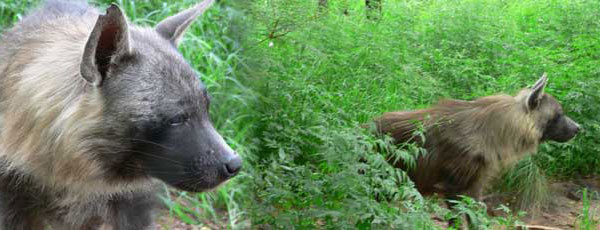
You can help researchers Dr. Dawn Scott and Dr. Richard Yarnell and Lynne MacTavish assess the conservation value of areas with different levels of protection for brown hyaenas by seeing how they and other scavengers thrive—or fail to thrive—in this rich landscape that combines protected areas and unprotected zones.
Loading map, please wait...
Locations visited/nearby
Pilanesberg National Park and neighboring areas , lions , carnivores , photography , earthwatch , volunteer , ecotourism , scientific research , ecology , endangered species , wildlife protection , South Africa
0 testimonials about this trip.
1 testimonial about the provider, Earthwatch Institute:
-
Reviewer: L. Reifschneider
located in
St. Louis,
MO
USA
Elephant conservation is what drives my travel destinations. However, I always come home counting the blessings of new friends and an understanding of a culture and way of life I possibly would otherwise have never been introduced to. Through the Earthwatch projects I participate in, I am learning just how big and wonderful this world is.
Itinerary
On the ExpeditionHelp improve the odds for brown hyaenas and other fascinating wildlife in spectacular Pilanesberg National Park
Your team will explore protected and unprotected lands in search of wildlife, particularly brown hyaenas and other scavengers, species that are critically important to any ecosystem. Depending on the research site, you’ll conduct wildlife surveys on foot for from vehicles, looking not only for the hyaenas, vultures, and insects themselves but also for their tracks, droppings, feeding sites, dens, nests, and other signs. You’ll help capture and tag individual vultures, monitor their colonies and help assess their habitat. You’ll help trap and identify different species of the industrious dung beetle, some of the region’s most beautiful insects, ranging in color from the metallic iridescence that’s earned some of them the name “scarab beetles” to patterns that help them blend into their surroundings to inky black. You’ll also conduct predator population counts at night, playing tape recordings of their prey to attract lions and leopards as you conduct spotlight transects. (Many past volunteers report that this activity is one of the most thrilling field research experiences they’ve had.)
Much of the work will take place within Pilanesberg National Park, which offers dramatic scenery in the remains of an extinct volcano. During your expedition you may also see zebras, impalas, white rhinos, elephants, wildebeest, lions, and leopards. In your recreational time, you may enjoy game drives, sundown drinks on the kopje (rock outcrop), and local cultural events such as drumming sessions.
Meals and Accommodations
You will be based at a field camp in the heart of Mankwe Wildlife Reserve, a classic bushveld landscape just east of the Pilanesberg massif. The reserve is home to white rhinos and a range of other endangered wildlife. You’ll sleep in either a small field station or a walk-in safari tent, each with its own shower and flush toilet. The camp has solar-powered lights and wood-heated water. Team members will share meals in a group dining area, with a local chef preparing international and local cuisine, including poitjiekos (game stew) and braai (barbeque).
About the Research Area
The project’s three study sites are all located within 30 miles of the Pilanesberg massif, northwest of Johannesburg, South Africa. The landscape is part of the Southern African Bushveld, a classic African savanna of mixed grasses spotted with trees. This savannah area covers the southeast corner of Botswana, southern Zimbabwe and northern South Africa.
Pilanesberg National Park was created in 1979 in the remains of an extinct volcano, providing a dramatically scenic park. The area covers approximately 50,000 hectares and is surrounded by an electric fence that prevents large mammals from entering or leaving the park. Here you will find mixed acacia trees and broad-leaved bushveld, ranging from thickets to open grassland patches. There is a large dam in the center of the park and several smaller permanent water areas scattered about.
Since the park’s creation over 6,000 individual animals have been reintroduced into the area. This includes all species that were thought to exist here before European settlers arrived, with the exception of the spotted hyaena. Many large herbivores are seen regularly, including zebras, impalas, white rhinos, elephants and wildebeests. The park’s reintroduced predators include about 40 lions, 20 cheetahs, and a pack of wild dogs. Populations of leopards and brown hyaenas were already present when the park fence was constructed and both populations are now thriving.
More information from Earthwatch Institute:
- View trip on provider's website
earthwatch.org/expeditions/south-africas-hyenas… - Company profile, experience, and history
- View all of their trips
- Email this trip page to a friend
-


Comments from Facebook